
Introduction
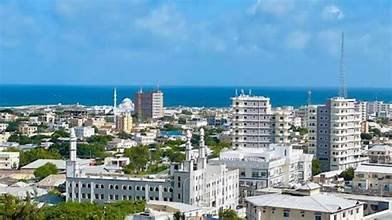
Economics and business play a vital role in the development and prosperity of any nation. In Somalia, economic growth and private sector development have become increasingly important as the country continues its efforts to rebuild institutions, strengthen governance, and improve living standards. Despite decades of conflict and instability, Somalia has demonstrated remarkable economic resilience driven largely by entrepreneurship, trade, telecommunications, remittances, and livestock exports.
The Somali economy is characterized by a strong private sector, an entrepreneurial population, and a strategic geographical location along major international maritime routes. As security and governance continue to improve, Somalia possesses significant potential to become a major economic hub in the Horn of Africa.
Overview of the Somali Economy
Somalia operates a market-based economy in which private businesses play a dominant role. Unlike many countries where government institutions drive economic activity, much of Somalia’s economy has historically been supported by private enterprises and informal markets.
Key sectors contributing to the economy include:
- Livestock production and exports.
- Agriculture.
- Fisheries.
- Telecommunications.
- Financial services.
- Trade and commerce.
- Transportation and logistics.
- Construction and real estate.
These sectors provide employment opportunities and generate income for millions of Somali citizens.
Livestock Sector
Livestock remains the backbone of Somalia’s economy and is one of the country’s largest export industries.
Major livestock exports include:
- Camels.
- Goats.
- Sheep.
- Cattle.
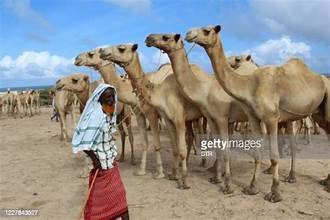
Somalia exports millions of animals annually to markets in the Middle East and other regions. The livestock sector supports pastoral communities across the country and contributes significantly to foreign exchange earnings.
Improving veterinary services, animal health programs, and export infrastructure can further strengthen this critical sector.
Agriculture and Food Production
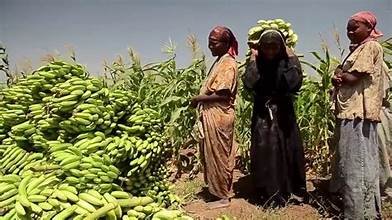
Agriculture is another important pillar of Somalia’s economy. Fertile areas located along the Juba and Shabelle rivers support the cultivation of various crops.
Major agricultural products include:
- Maize.
- Sorghum.
- Sesame.
- Bananas.
- Fruits and vegetables.
Agricultural development is essential for improving food security, reducing poverty, and creating employment opportunities, particularly in rural areas.
Investments in irrigation systems, modern farming techniques, and agricultural technology can significantly increase productivity.
Fisheries and Blue Economy
Somalia possesses one of Africa’s longest coastlines, offering enormous opportunities for fisheries and marine resource development.
The fisheries sector has the potential to become a major contributor to economic growth through:
- Commercial fishing.
- Fish processing industries.
- Seafood exports.
- Maritime trade.
Sustainable management of marine resources is crucial for ensuring long-term economic benefits while protecting the environment.
Telecommunications Industry
Somalia’s telecommunications sector is widely regarded as one of the most dynamic industries in the country.
Telecommunication companies provide:
- Mobile communication services.
- Internet access.
- Mobile money services.
- Digital financial solutions.
The widespread use of mobile money has transformed business transactions, allowing millions of people to send and receive payments efficiently.
Continued investment in digital infrastructure can accelerate economic modernization and innovation.
Banking and Financial Services
The financial sector has expanded significantly in recent years, supporting economic growth and business development.
Financial institutions provide:
- Savings accounts.
- Business financing.
- Money transfer services.
- Investment opportunities.
- International payment systems.
The growth of banking services contributes to financial inclusion and encourages greater participation in the formal economy.
Trade and Commerce
Trade is a fundamental component of Somalia’s economy. The country’s strategic location along major shipping routes creates opportunities for regional and international commerce.
Somalia imports:
- Food products.
- Machinery.
- Construction materials.
- Consumer goods.
The country exports:
- Livestock.
- Agricultural products.
- Fish and seafood.
- Natural resources.
Strengthening trade infrastructure and reducing barriers to commerce can help increase economic competitiveness.
Entrepreneurship and Small Businesses
Entrepreneurship is one of Somalia’s greatest economic strengths. Somali entrepreneurs have demonstrated remarkable innovation and adaptability despite challenging conditions.
Small and medium-sized enterprises operate in sectors such as:
- Retail trade.
- Transportation.
- Technology.
- Hospitality.
- Manufacturing.
- Construction.
Supporting entrepreneurs through access to finance, training, and technology can stimulate job creation and economic growth.
Foreign Investment
Foreign investment has become increasingly important for Somalia’s economic development.
Potential investment opportunities exist in:
- Infrastructure.
- Energy.
- Agriculture.
- Fisheries.
- Telecommunications.
- Real estate.
- Manufacturing.
A stable business environment, improved security, and transparent regulations are essential for attracting international investors.
Infrastructure Development
Infrastructure development is critical for economic transformation.
Key infrastructure priorities include:
- Roads and highways.
- Airports.
- Seaports.
- Electricity networks.
- Water systems.
- Digital infrastructure.
Improved infrastructure reduces business costs, enhances connectivity, and facilitates trade and investment.
Challenges Facing the Economy
Despite significant opportunities, Somalia faces several economic challenges:
Security Concerns
Security issues continue to affect investment and business confidence.
Limited Infrastructure
Insufficient transportation and energy infrastructure hinder economic growth.
Climate Change
Droughts, floods, and environmental degradation negatively impact agriculture and livestock production.
Unemployment
Youth unemployment remains one of the country’s most pressing challenges.
Access to Finance
Many businesses struggle to obtain affordable financing for expansion.
Economic Opportunities
Somalia possesses numerous opportunities for sustainable growth:
- Expanding regional trade.
- Developing the blue economy.
- Promoting renewable energy.
- Encouraging digital innovation.
- Strengthening agricultural value chains.
- Increasing foreign direct investment.
- Supporting youth entrepreneurship.
These opportunities can help diversify the economy and improve living standards.
Future Outlook
The future of Somalia’s economy depends on continued reforms, improved governance, stronger institutions, and enhanced security. By investing in human capital, infrastructure, and private sector development, Somalia can achieve sustainable economic growth and become a leading economic center in the Horn of Africa.
Economic diversification, technological innovation, and increased investment will be critical drivers of future prosperity.
Conclusion
Somalia’s economy has demonstrated resilience and potential despite decades of challenges. The country’s strategic location, entrepreneurial population, abundant natural resources, and growing private sector provide a strong foundation for future growth. With continued reforms and investment, Somalia can unlock significant economic opportunities, create jobs, attract investors, and improve the quality of life for its citizens. Economics and business will remain central to Somalia’s journey toward stability, prosperity, and sustainable development.

Leave a Reply